Trying to choose between a traditional subdivision home and a townhome in Dunwoody? You are not alone. Many buyers are drawn to Dunwoody because it offers both established neighborhoods with larger homes and newer attached-home options closer to shopping, dining, and major job centers. If you are weighing space, upkeep, monthly costs, and lifestyle, this guide will help you sort through the tradeoffs and build a smarter shortlist. Let’s dive in.
Why Dunwoody Gives You Two Very Different Lifestyles
Dunwoody has a mix of older suburban neighborhoods and newer higher-density housing options. According to the city, many of its established neighborhoods are known for spacious, well-built homes, larger lots, and amenities like swim and tennis.
At the same time, Dunwoody also includes newer apartments, condominiums, cluster homes, and live-work-play areas. These homes tend to place you closer to business centers, retail, dining, and entertainment, especially around the Perimeter area.
That mix gives you real choice. You are not just picking a home style. You are also choosing how you want your day-to-day life to feel.
What Subdivision Living Usually Offers
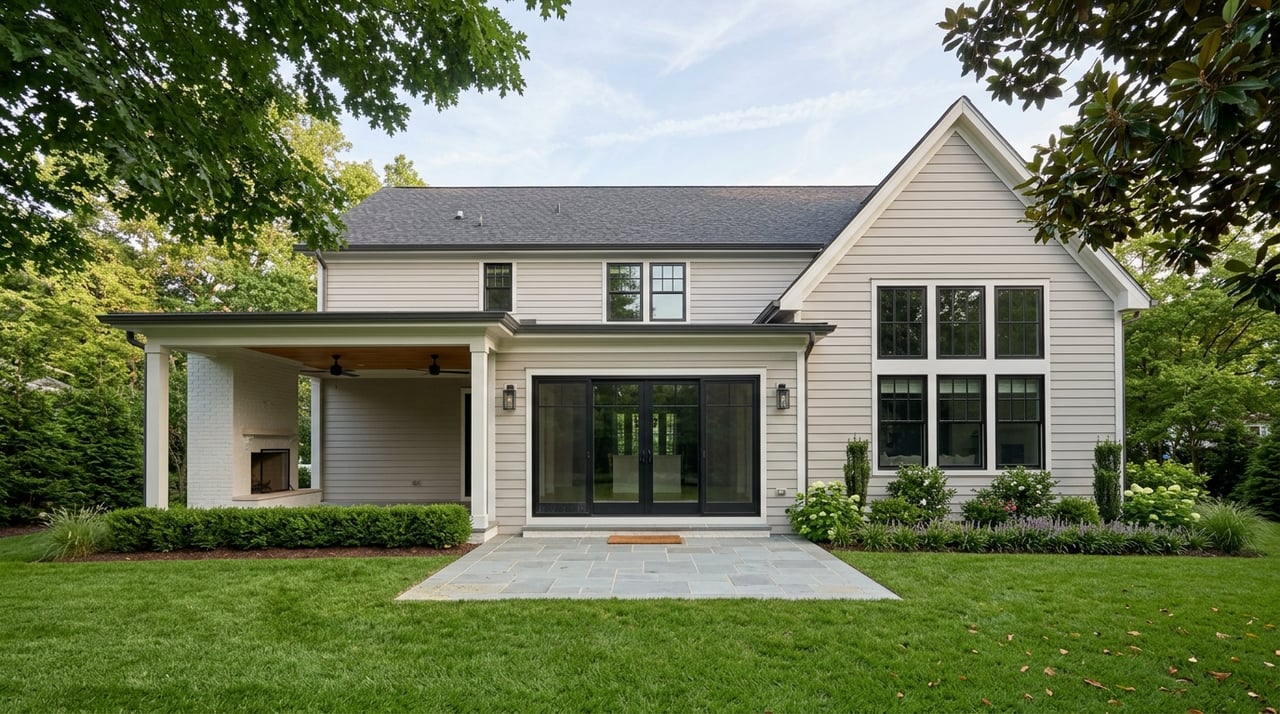
If you picture a detached home with more room inside and out, subdivision living may feel like the better fit. In Dunwoody, this often means older residential corridors with larger lots and a more traditional suburban layout.
The biggest advantage is control. With a detached home, you usually have more say over your property, more private outdoor space, and a larger footprint overall.
That added space can be appealing if you want room to spread out, entertain, garden, or simply have more separation from neighbors. For many buyers, that privacy and flexibility are worth the added responsibility.
Where subdivisions are concentrated
Traditional neighborhood living is strongest in Dunwoody’s residential areas. The city’s police zone map notes that Zone 20 is mostly residential along Mount Vernon Road and includes areas near Dunwoody Village and Williamsburg, while Zone 40 includes Dunwoody North, one of the city’s largest suburban neighborhoods.
These areas tend to feel more residential in character. Depending on the exact location, daily errands may still rely more heavily on driving than walking.
What to expect on maintenance
With a detached home, you are generally responsible for maintenance and repairs. That can include exterior upkeep, landscaping, roofing, and other home systems over time.
Some buyers see that as a fair trade for independence. Others prefer a home setup with fewer ongoing exterior responsibilities.
What Townhome Living Usually Offers
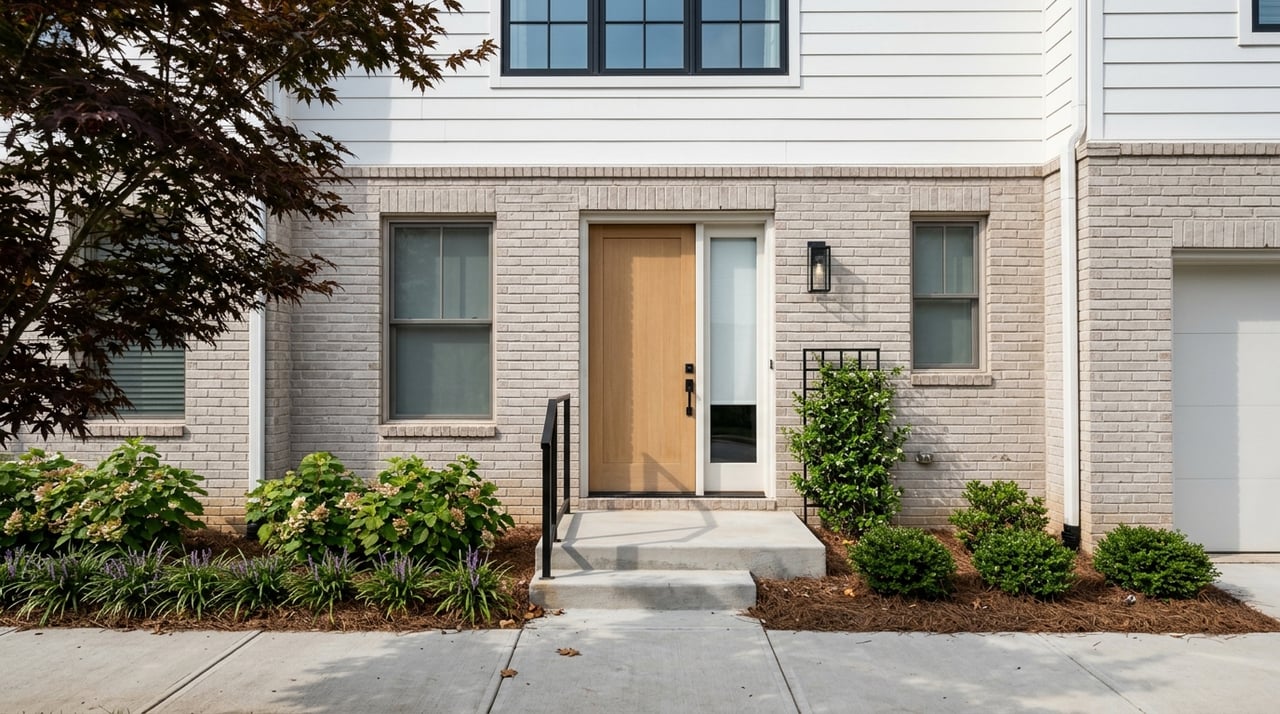
Townhome and condo living in Dunwoody often appeals to buyers who want simpler upkeep and easier access to busy commercial areas. If you like the idea of being closer to shops, restaurants, offices, and transit connections, attached-home living may deserve a closer look.
This housing type is more common near the Perimeter, GA-400, and I-285 side of the city. The city describes the Perimeter district as one of the Southeast’s largest economic centers, with major destinations such as Perimeter Mall, High Street, Ravinia, Terraces, and Campus 244.
That location can shape your lifestyle in a big way. Living closer to these hubs may mean easier access to dining, retail, offices, and commuting routes.
Where townhomes and condos cluster
Attached and mixed-use housing tends to be concentrated near major activity centers. High Street, for example, is described by the city as a large mixed-use destination near GA-400, I-285, and the Dunwoody MARTA station, with retail, restaurants, apartments, and office space.
Other nearby mixed-use and retail nodes include Ashford Lane, Park Place, Perimeter Marketplace, and Dunwoody Village. These areas can be especially relevant if convenience and access are high on your priority list.
What HOA living can mean
One of the biggest differences with many townhomes and condos is the monthly HOA or condo fee. These fees are usually paid separately from the mortgage and should be included in your affordability review.
Those fees may help cover shared services, common-area maintenance, and in some cases master insurance for the building or project. That can make attached-home living attractive if you want less exterior upkeep, but it also means you are paying for shared services and agreeing to association rules.
Compare the Real Monthly Cost
A lower list price does not always mean a lower monthly cost. When you compare a subdivision home with a townhome or condo, you need to look at the full picture.
Your total monthly housing cost can include principal, interest, taxes, insurance, and any HOA fees. In some cases, a townhome may look more affordable upfront but carry a meaningful monthly association cost.
A detached home may not have the same monthly fee structure, but the upkeep burden often shifts directly to you. That is why smart buyers compare monthly ownership costs, not just asking prices.
Look Beyond Price to Upkeep
Your budget matters, but so does your time. The right choice often depends on how much maintenance you want to handle yourself.
If you value private outdoor space and greater control over your property, a subdivision home may be the stronger match. If you prefer lower exterior maintenance and a simpler ownership experience, a townhome or condo may be more practical.
Neither option is automatically better. The better choice is the one that supports your daily routine, budget comfort, and long-term plans.
Review Association Details Carefully
If you are considering a townhome or condo in Dunwoody, the association deserves close review. Not all communities operate the same way, and the details can affect both your budget and financing process.
Buyers should review what the fee covers, whether there are restrictions that matter to their lifestyle, whether reserves appear adequate, and whether any special assessments are pending. Older or underfunded associations can feel very different from newer or better-capitalized communities.
In Georgia condominium sales, buyers should also expect statutory disclosure documents. Those documents can give you a clearer picture of the community’s financial and operational structure.
Questions to ask about a townhome or condo
- What does the monthly fee cover?
- Are there any pending special assessments?
- How strong are the association reserves?
- Are there rules that affect how you plan to use the property?
- Could the project create extra financing hurdles?
These questions can help you compare attached-home options more confidently.
Think About Location and Connectivity
In Dunwoody, location often goes hand in hand with housing type. Many attached-home options are closer to Perimeter and other mixed-use areas, where connectivity improvements have been a focus.
The city says the Ashford Dunwoody Path added a two-way cycle track, wider sidewalk, pedestrian lighting, and landscaping in front of Perimeter Mall, with future phases planned to connect north toward Mt. Vernon Road. For buyers, that means homes closer to Perimeter may offer better walkability and transit access than many older residential streets.
If your ideal lifestyle includes easier access to retail, restaurants, and commuting routes, that may tilt you toward a townhome or condo. If you prefer a quieter residential setting with more private space, a subdivision may feel like a better fit.
Don’t Overlook Parks and Green Space
Some buyers assume a smaller private yard automatically means less outdoor access. In Dunwoody, that is not always the case.
The city has more than 200 acres of green space and seven major parks. That means you may still enjoy strong access to outdoor space even if you choose a townhome, condo, or smaller-lot property.
This matters if you want a lower-maintenance home without giving up time outside. Public green space can be an important part of the lifestyle equation.
A Simple Way to Decide
If you feel torn, start with your top three priorities. Most buyers can narrow the choice quickly once they focus on what matters most in daily life.
Choose a subdivision if your priorities center on:
- More private outdoor space
- A larger home footprint
- Greater control over the property
- A more traditional residential setting
Choose a townhome or condo if your priorities center on:
- Lower exterior maintenance
- Simpler upkeep
- Closer access to shopping and job centers
- Better proximity to mixed-use districts and transit connections
Dunwoody offers both paths. The key is matching the home style to the way you want to live, not just the way the listing looks online.
If you want help comparing Dunwoody neighborhoods, weighing monthly costs, or narrowing your options with a clear strategy, Anet Granger & Associates can guide you through the process with local insight and hands-on support.
FAQs
What is the main difference between subdivision and townhome living in Dunwoody?
- In Dunwoody, subdivision living usually offers more private space and owner control, while townhome living often offers lower exterior maintenance and closer access to Perimeter-area shops, offices, and dining.
Are townhomes in Dunwoody always cheaper than subdivision homes?
- Not necessarily. A townhome may have a lower list price, but you should also factor in HOA or condo fees, taxes, insurance, and the full monthly cost.
Where are many Dunwoody townhomes and condos located?
- Many attached-home and mixed-use options are concentrated near the Perimeter, GA-400, and I-285 side of Dunwoody, including areas near High Street, Ashford Lane, and Perimeter Marketplace.
What should you review before buying a Dunwoody townhome or condo?
- You should review what the association fee covers, whether reserves are adequate, whether special assessments are pending, and whether there are rules or disclosures that could affect your decision.
Why do some buyers still choose a townhome if it has less private yard space?
- Some buyers prefer a townhome because it can offer simpler upkeep, shared maintenance services, and convenient access to retail, offices, parks, and transportation connections in Dunwoody.