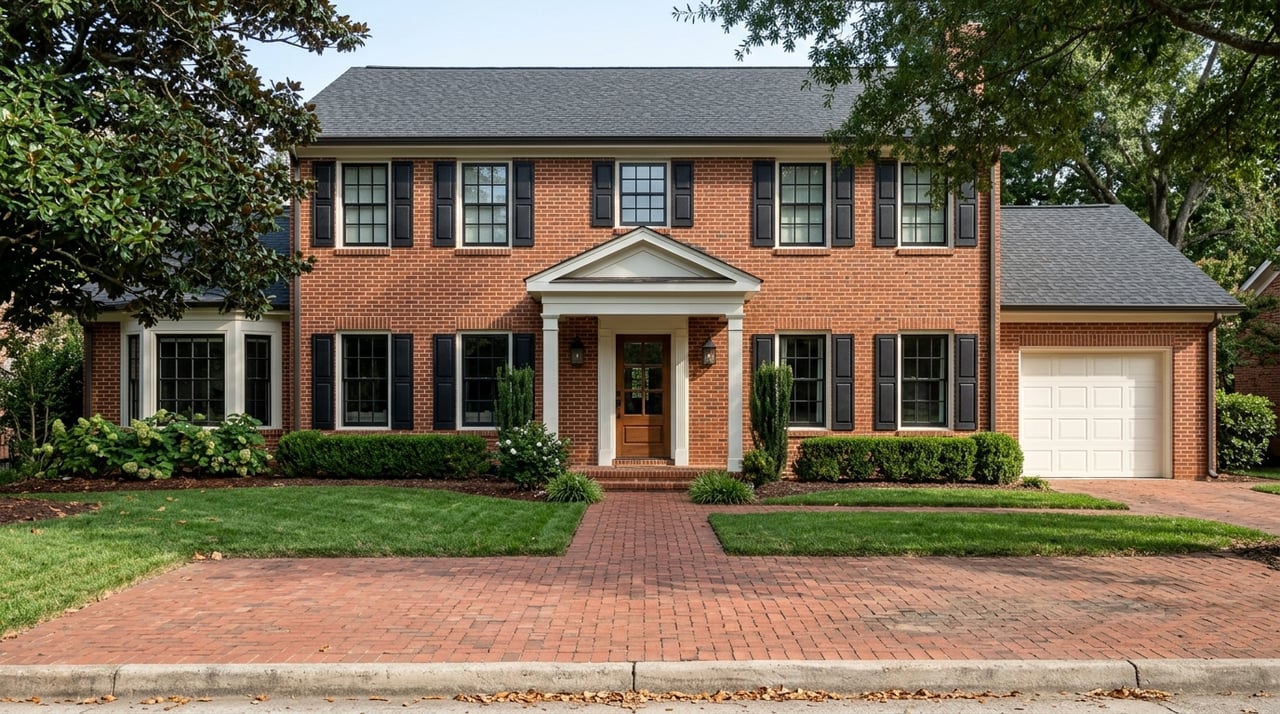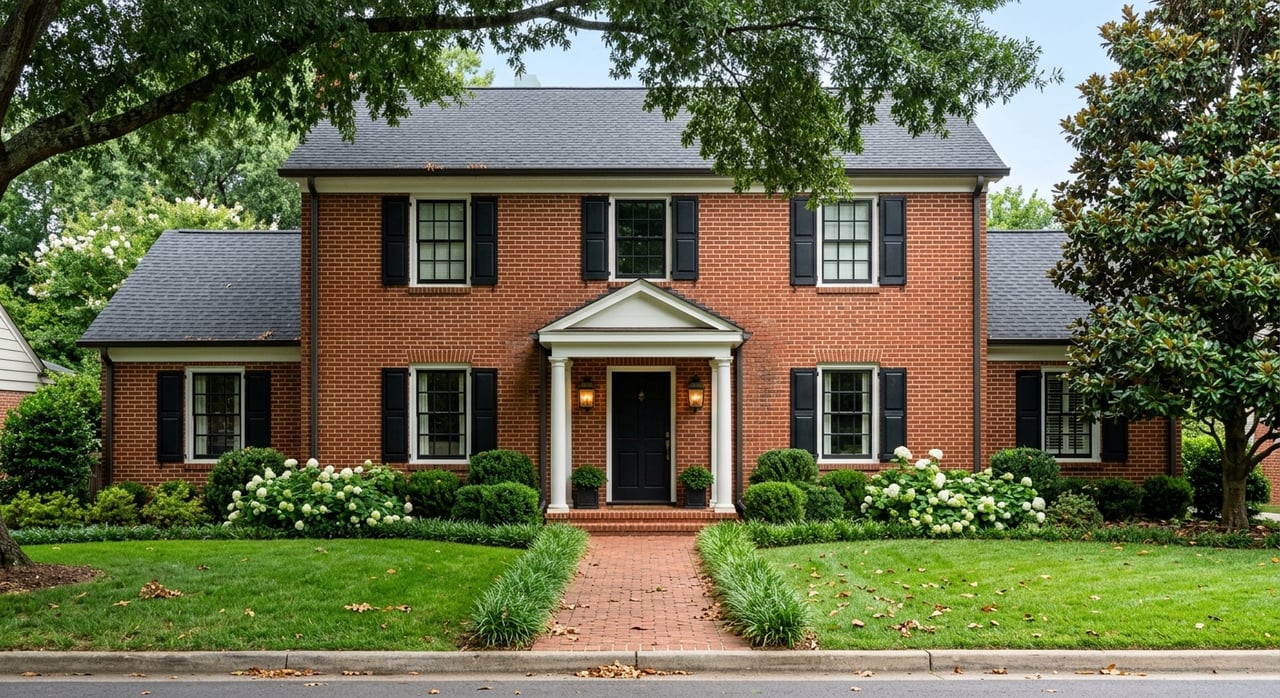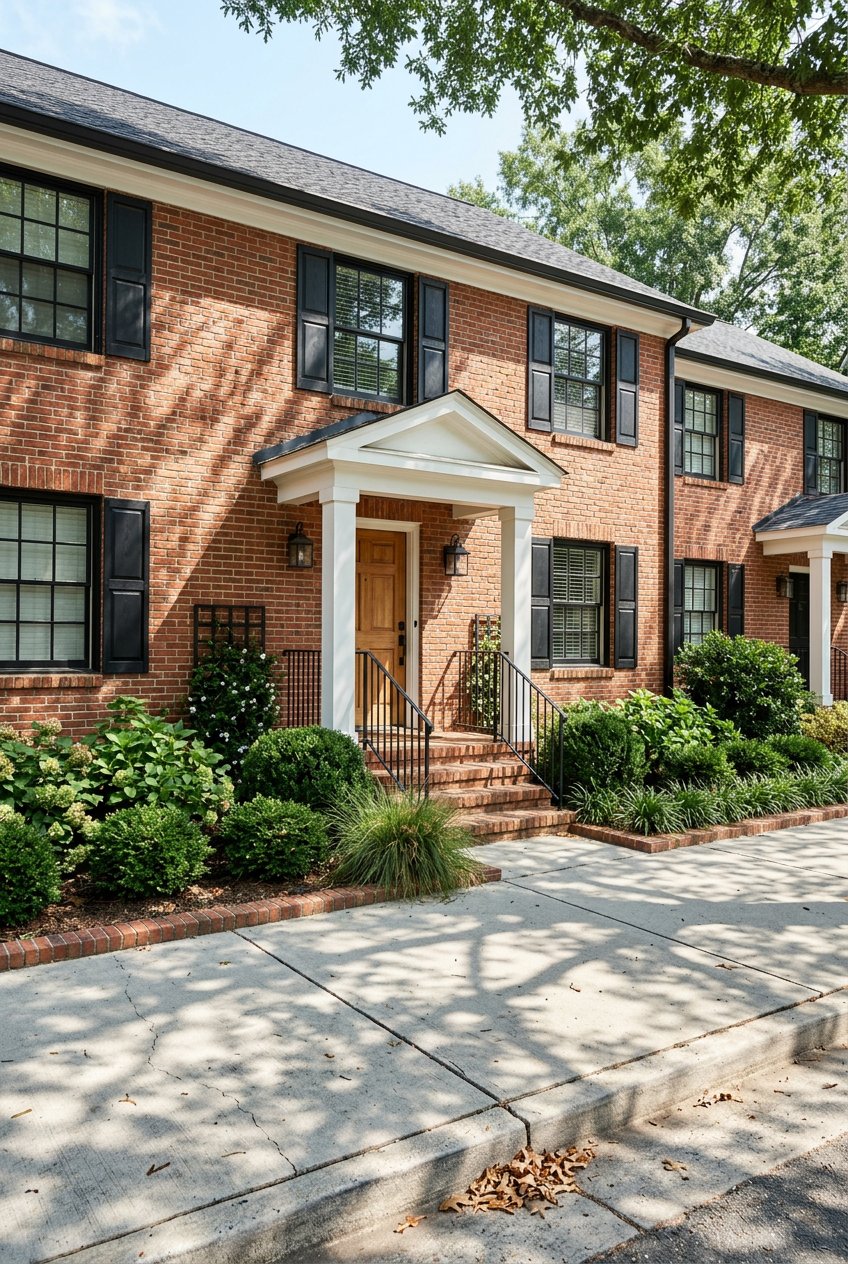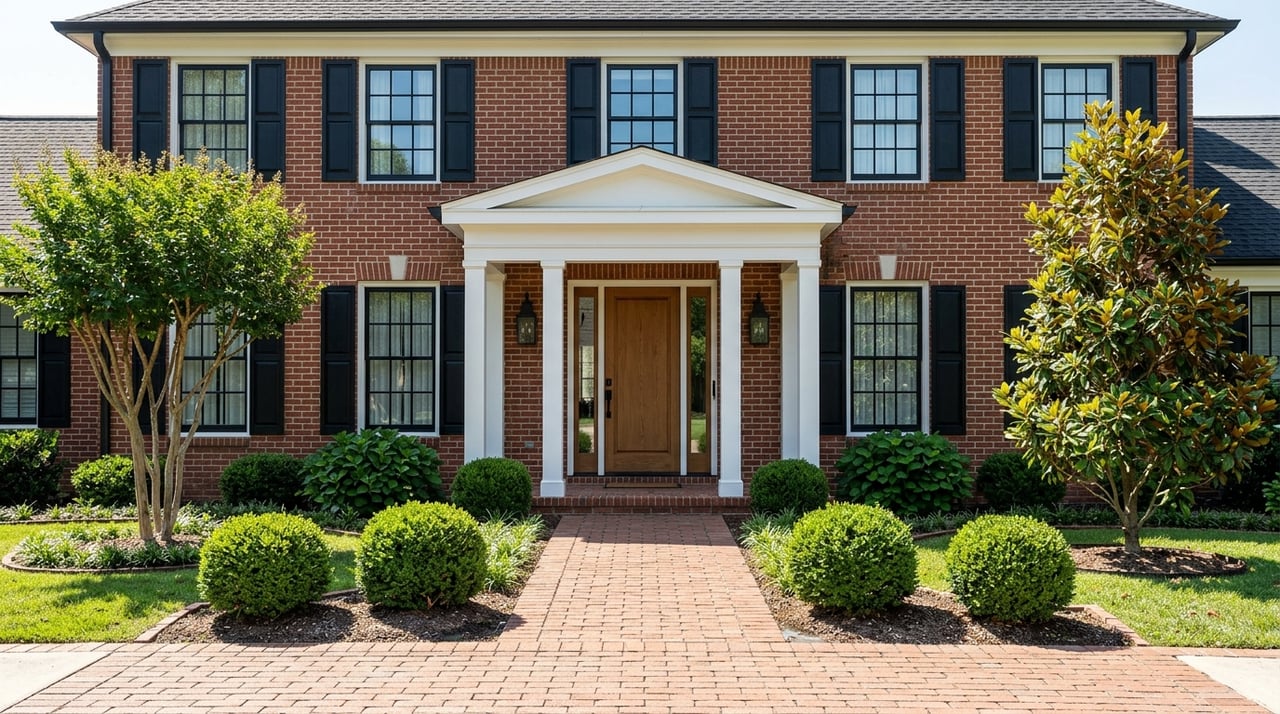
Moving to a new state can feel exciting and overwhelming at the same time, especially when you are trying to learn a market from miles away. If Marietta is on your shortlist, you likely want more than a home search. You want a clear plan that helps you verify locations, understand local logistics, and avoid surprises before closing day. This step-by-step guide will help you relocate to Marietta with more confidence and less stress. Let’s dive in.
Start With Marietta Basics
Before you book tours or compare homes, it helps to understand what “Marietta” actually means on a listing. Some homes are inside the City of Marietta, while others only have a Marietta mailing address. According to the City of Marietta’s location guidance, a city tax bill, Marietta City Schools attendance, or the city property search are better ways to confirm whether a property is truly inside city limits.
That distinction matters because city limits can affect taxes, services, zoning jurisdiction, and school assignment. The city’s tools can also show details like emergency services, zoning district, owner information, and other property data. If you are relocating from out of state, this is one of the first checks worth making.
Verify the Address First
When you are buying remotely, accuracy comes before everything else. Start by confirming the exact property address and then check whether it falls inside the City of Marietta or in unincorporated Cobb County. This matters because Marietta and Cobb County handle zoning through different jurisdictions.
A practical way to stay organized is to follow the same order every time you evaluate a home. That creates a smoother process and helps you compare properties consistently.
Use This Verification Order
- Confirm the exact property address.
- Verify city limits and zoning jurisdiction.
- Confirm school assignment through official tools.
- Check commute access and transit options.
- Review ward or historic-district context if relevant.
This step-by-step approach works well because Marietta, Cobb County, and the school district each maintain separate mapping and locator tools. Keeping those checks in order can save you time and help you make cleaner decisions.
Confirm Schools With Official Tools
If school assignment matters to your move, do not rely on a listing description or a general map alone. The Cobb County School District attendance-zone page states that its maps are for general information only. The district recommends using its official Find a School and student transfer resources for confirmation.
That extra step is important because attendance zones and transfer options are separate issues. If your move depends on school placement, verify the assignment directly before you make final decisions. Later in the process, it is smart to re-check again before closing.
Learn the Local Map
Out-of-state buyers often benefit from a wider look at how Marietta is organized. The city provides ward maps and a historic-districts map that can help you understand areas such as Downtown, Kennesaw Avenue, Church Cherokee, Forest Hills, Washington Ave, Atlanta-Frasier St, Whitlock Ave, and Northwest Marietta. You can review that local context through the Marietta ward maps.
This is not about labeling one area as better than another. It is about understanding how location may affect the feel of a property, nearby streets, and the rules or context tied to the home. For a remote buyer, that broader map view can make virtual tours much more meaningful.
Build a Remote Search Strategy
A strong relocation plan is not just about finding homes online. It is about building a repeatable process that helps you narrow choices quickly and confidently. That is especially helpful if you are balancing work, a long-distance move, or a tight timeline.
One of the best ways to stay efficient is to combine online research with detailed virtual showings. Each tour should answer both property questions and everyday living questions.
Ask for More Than a Walkthrough
When you request a virtual tour, ask to see more than finishes and room sizes. A useful remote showing should also cover:
- The street in front of the home
- Nearby traffic flow and road access
- Driveway layout and parking setup
- The surrounding block and general context
- Entry points, stairs, and exterior condition
Those details matter because the practical experience of a Marietta address can vary based on city limits, zoning jurisdiction, ward context, and transit access. A polished listing can only tell you so much. The extra context helps you picture daily life more realistically.
Check the Commute Before You Visit
If your job will take you to Atlanta, Cumberland, or another part of Cobb County, test the commute before you fall in love with a home. The timing of traffic can make a major difference, especially if you are used to a different metro area.
For road travel, GDOT’s lane closure updates and Georgia 511 can help you review conditions around the time you would actually drive. Since closures can shift with weather and scheduling, checking close to your likely commute window gives you a more realistic picture.
Review Transit Options Too
If public transportation matters, look into CobbLinc routes and schedules. CobbLinc operates local routes, transfer centers, a free circulator, microtransit service in parts of the area, and park-and-ride connections. The Marietta Transfer Center is located at 800 South Marietta Parkway.
Even if you plan to drive most days, transit access can still be useful. It may give you a backup option for work, events, or airport connections. For some buyers, that flexibility becomes part of the decision-making process.
Prepare Financing Early
When you are relocating from out of state, financing delays can create extra stress because you may be coordinating travel, housing deadlines, and a move across state lines. The more work you do upfront, the smoother your offer process is likely to be.
The Consumer Financial Protection Bureau recommends comparing multiple loan options before you commit. Looking at more than one Loan Estimate can help you evaluate costs clearly and negotiate better terms.
Compare These Loan Estimate Items
According to the CFPB’s Loan Estimate comparison guidance, pay close attention to:
- Interest rate
- Principal and interest payment
- Mortgage insurance
- Escrow
- Origination charges
- Lender credits
- Cash to close
- Other lender-controlled costs
If you are buying from another state, this side-by-side comparison can protect both your budget and your timeline. It also gives you a stronger foundation when it is time to write an offer.
Use Contingencies Thoughtfully
An out-of-state move often leaves less room for unexpected costs. That is why contract protections matter. The CFPB’s homebuying guidance notes that buyers can make an offer contingent on financing and a satisfactory inspection.
These contingencies can help protect you if the loan does not go through or if the inspection reveals serious issues. While every contract should be reviewed carefully, the main takeaway is simple: your offer should match your risk tolerance and relocation timeline.
Plan Inspections and Appraisal From Afar
Once you go under contract, timing becomes important. The CFPB recommends scheduling the home inspection as soon as possible, and it explains that the inspection and appraisal serve different purposes. The inspection focuses on the home’s condition, while the appraisal provides an independent opinion of value.
If possible, attend the inspection in person. If that is not realistic, make sure you have a plan to review findings quickly and ask questions in real time.
Know What Happens If Issues Come Up
The CFPB’s inspection and appraisal guidance explains a few important next steps:
- If the inspection finds defects, you may be able to negotiate repairs.
- If your contract includes an inspection contingency, you may have the option to cancel.
- If the appraisal comes in low, you can review the report and consider asking the seller to reduce the price.
- Some loan programs may require repairs before closing or reserve funds after closing.
For remote buyers, this is where good communication matters most. Fast decisions can keep a relocation on track.
Research Closing Services Early
Once you find the right home, things can move quickly. The CFPB advises buyers to research settlement agents and title-insurance services early in the process. That can be especially helpful when you are coordinating everything from another state.
The CFPB home search guidance also notes that buyers who choose their own providers often save money. It is also wise to plan ahead for how you will deliver funds, since cash to close is commonly due by cashier’s check or wire transfer.
Watch the Closing Disclosure Timeline
Lenders must provide the Closing Disclosure at least three business days before closing. During that window, the CFPB’s Closing Disclosure checklist recommends comparing it with your Loan Estimate and resolving any issues before signing.
That review period is important when you are relocating because mistakes can be harder to fix at the last minute from a distance. Build a little extra time into your moving schedule if you can.
Handle Your Move-In Checklist Early
The best relocations are not only about closing on a house. They are also about setting up daily life before you arrive. A few administrative tasks can save you a lot of stress during your first weeks in Georgia.
Change Your Address
The USPS change-of-address basics say you can file a request up to 90 days before your move and up to 30 days after. USPS also recommends notifying senders of your new address at least two weeks before moving.
Important contacts to update include:
- Utility companies
- Internet and phone providers
- Cable providers
- Insurance companies
- The DMV
- Banks and credit card companies
Update Your Georgia License and Registration
If you are becoming a Georgia resident, timing matters. The Georgia DDS says new residents must apply for a Georgia driver’s license within 30 days. The Georgia Department of Revenue says vehicles must also be registered within 30 days of moving to the state.
The Department of Revenue also notes that you need a valid Georgia driver’s license or ID before registering a vehicle. Since Cobb County is one of the metro counties that requires emissions inspection before registration, it helps to plan that appointment early.
Budget for Vehicle Costs
When you build your relocation budget, include Georgia vehicle paperwork costs. According to the Department of Revenue, the annual registration fee is $20, the title fee is $18, and the title ad valorem tax is 3% of fair market value.
Those costs are easy to overlook when you are focused on moving trucks, deposits, and closing expenses. Adding them to your plan now can help you avoid surprises later.
Re-Check Key Details Before Closing
Right before closing, revisit the details that matter most to your household. If school assignment is part of your decision, confirm it again through the district’s official tools. The Cobb County School District transfer information states that students must attend the school in their attendance zone unless an exception is granted, and school-choice processes are separate from zoning.
If city residency affects your plans, double-check that as well. The City of Marietta makes clear that a Marietta mailing address or utility account does not prove city residency, so use the official city tools to verify the property one more time before closing.
A Simple Relocation Checklist
If you want a practical summary, here is a good order to follow:
- Identify your target areas in and around Marietta.
- Verify each address for city limits and zoning jurisdiction.
- Confirm school assignment through official district tools.
- Review commute routes, traffic patterns, and transit options.
- Request detailed virtual tours with neighborhood context.
- Compare multiple Loan Estimates.
- Write an offer with thoughtful contingencies.
- Schedule the inspection quickly.
- Review appraisal and any lender repair conditions.
- Prepare title, wire, and closing logistics early.
- File your address change and update service providers.
- Complete Georgia license and vehicle steps after your move.
Relocating to Marietta from out of state is much easier when you break it into clear steps. With the right local guidance, you can make smart decisions, protect your timeline, and arrive feeling more prepared. If you want a trusted advisor to help you narrow neighborhoods, coordinate virtual tours, and guide your move from start to finish, connect with Anet Granger & Associates.
FAQs
How do you confirm if a home is inside the City of Marietta?
- Use the City of Marietta property search or city-limits tools, because a Marietta mailing address alone does not confirm city residency.
What should out-of-state buyers verify first for a Marietta home?
- Start with the exact property address, then confirm city limits, zoning jurisdiction, school assignment, commute access, and local area context.
How should buyers confirm school assignment in Marietta or Cobb County?
- Use Cobb County School District’s official school locator and transfer resources rather than relying only on general attendance-zone maps.
What commute tools help when relocating to Marietta?
- Check GDOT lane-closure updates, Georgia 511 traffic information, and CobbLinc route information to better understand drive times and transit options.
What contract protections help out-of-state buyers in Marietta?
- Financing and inspection contingencies can help protect you if the loan falls through or if the property inspection reveals major issues.
When do new Georgia residents need to update their license and vehicle registration?
- New residents generally must apply for a Georgia driver’s license within 30 days and register their vehicles within 30 days of moving to the state.