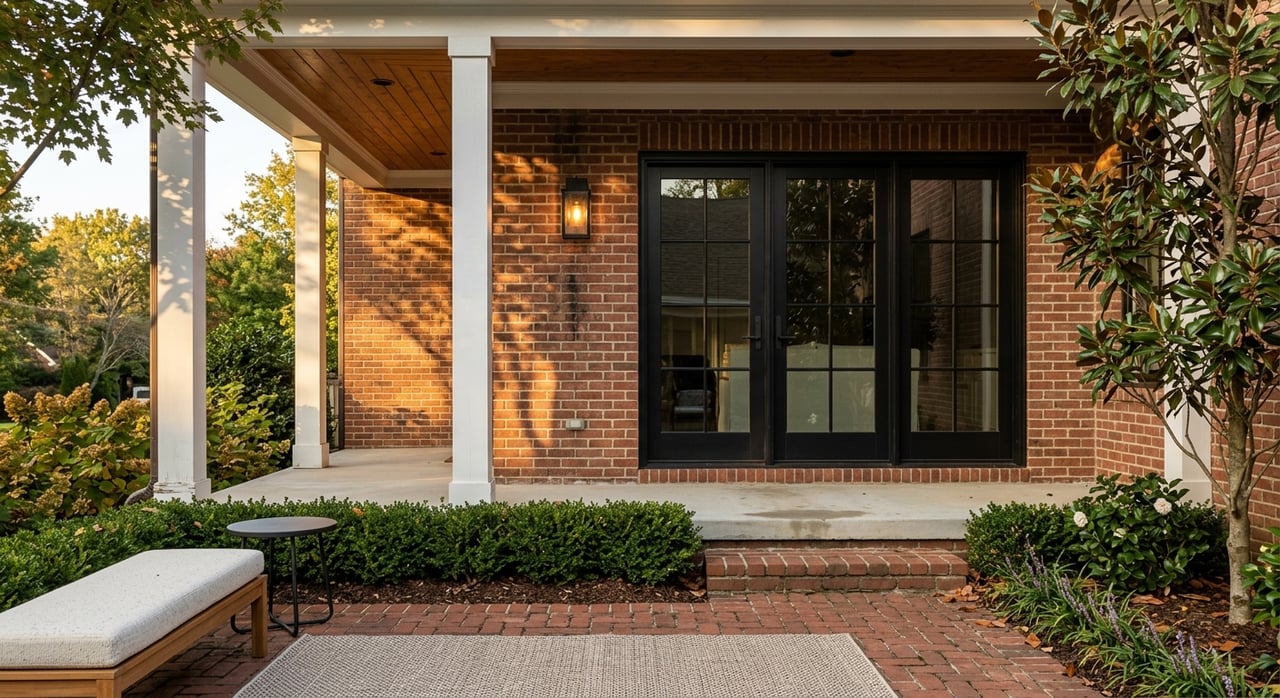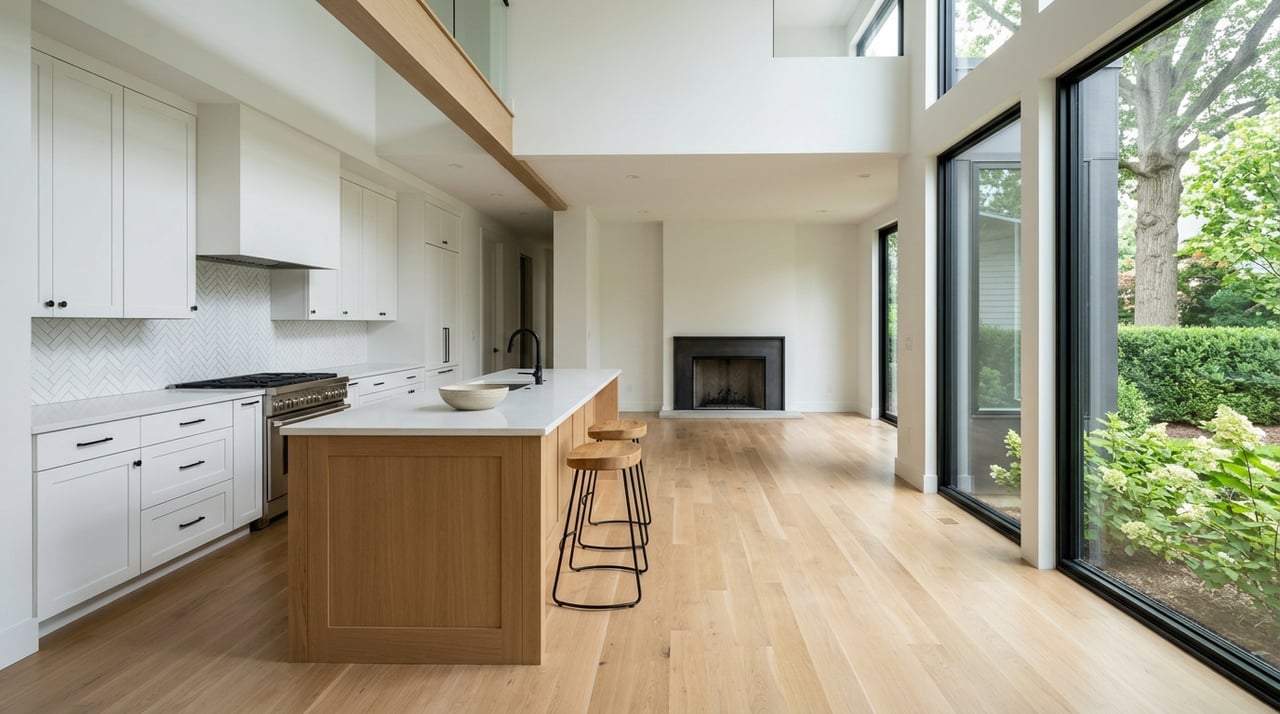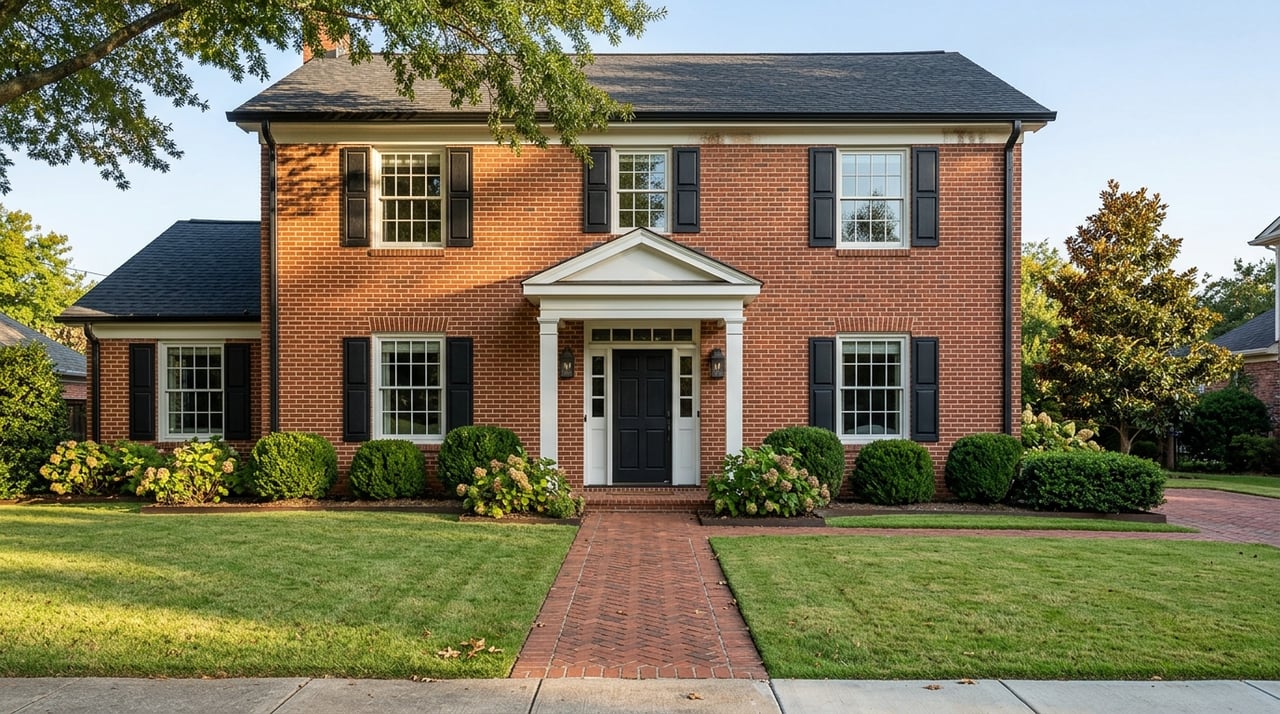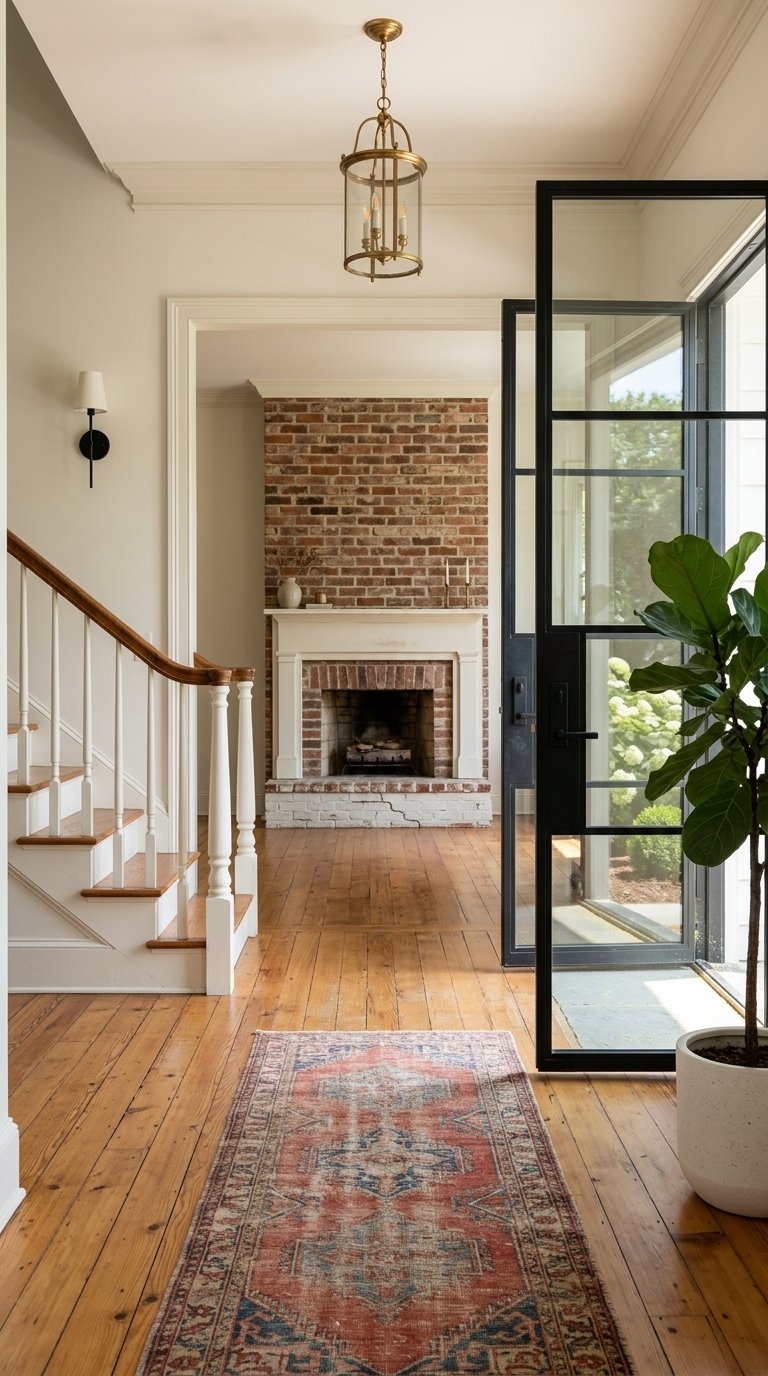
Trying to choose between a historic home and new construction in Roswell? You are not alone. Many buyers love Roswell’s character and location, but they also want a home that fits their daily life, budget, and comfort level with maintenance. The good news is that both options can be a strong fit, depending on what matters most to you. Let’s break down what to expect so you can make a smart, confident decision.
Roswell Offers Two Very Different Home Experiences
Roswell has deep historical roots. Founded in 1839, the city’s Historic District covers about 640 acres and was added to the National Register of Historic Places in 1974. That legacy still shapes how parts of Roswell look, feel, and grow today.
At the same time, Roswell continues to evolve. City planning focuses on protecting established neighborhoods while guiding investment and redevelopment into key corridors and growth areas. That means your decision is often not just about the house itself, but about the kind of lifestyle and ownership experience you want.
What Historic Roswell Really Means
If you are drawn to older homes, Roswell’s Historic District stands out for a reason. The area is closely tied to the city’s identity, with landmarks like Barrington Hall, Smith Plantation, and Mimosa Hall reflecting that long history.
Historic homes in Roswell are often part of a preservation-focused setting rather than a typical subdivision pattern. The city’s planning documents describe the district as a sustainable, thriving downtown area intended to protect historic character and resources. For many buyers, that creates a more established, downtown-oriented feel.
Historic Homes Come With Preservation Rules
Buying in the Historic District means you are also buying into a review process. In Roswell, property owners and occupants in the district must get Historic Preservation Commission approval for exterior material changes, new construction, demolition or moving of buildings, and changes to exterior environmental features.
That matters because even routine-looking exterior projects may need an extra layer of approval. If you love the idea of owning a home with history, this may feel like worthwhile stewardship. If you want complete design freedom, it may feel more restrictive.
Historic Homes Often Need Ongoing Care
Older homes can be rewarding, but they usually ask more of you over time. Preservation guidance emphasizes maintenance and repair, not wholesale replacement, and notes that historic features like windows can last for more than 100 years with regular upkeep.
That does not mean a historic home is automatically a problem. It simply means you should expect to pay closer attention to materials, systems, and weather exposure. Roof condition, drainage, windows, and moisture-prone areas deserve extra attention during your due diligence.
Historic Layouts May Feel Different
Historic preservation standards prioritize keeping a building’s form, features, materials, and spatial relationships. In practical terms, that often means historic homes may retain more original room patterns and detailing than a newer property.
For some buyers, that is exactly the appeal. For others, it may mean less of the open-plan flow or utility space they want. Neither is better across the board. It depends on how you live.
What New Construction in Roswell Offers
If your priority is convenience, current systems, and a more modern layout, new construction may feel like the easier fit. In Roswell, newer development is more likely to appear in redevelopment corridors, infill settings, or other planned growth areas rather than in the historic core.
The city tracks ongoing projects through its development tools, and planning efforts highlight corridor-based redevelopment in places such as Atlanta Street/Town Square and Holcomb Bridge/400. That gives buyers a sense of where newer opportunities may be emerging.
New Homes Are Built Under Current Codes
One clear advantage of new construction is that it is reviewed under current code standards. Roswell’s Building Division reviews and inspects residential structures built or remodeled in the city and enforces Georgia’s building, mechanical, plumbing, and electrical codes.
That means you are generally evaluating a home built around modern code requirements, not one that has been updated in phases over many decades. For example, the city notes that new-construction windows must meet current performance labeling and efficiency thresholds. That can give buyers more confidence in the home’s systems and envelope.
New Construction Usually Feels More Flexible
Because new homes are not bound by historic preservation rules, they often allow more flexibility in layout and utility spaces. You may find floor plans that feel more open and more aligned with current living patterns.
That flexibility can matter if you want larger kitchens, more storage, newer mechanical systems, or less immediate maintenance. For buyers relocating to Roswell or trying to simplify the ownership experience, that can be a major plus.
New Homes Have Tradeoffs Too
Newer construction does not always offer the same sense of historic character. You may see less period detailing and fewer long-established neighborhood features that many buyers associate with older parts of Roswell.
That difference is especially noticeable in a city where historic identity is concentrated in a protected district. If charm, original architecture, and a downtown feel top your list, newer construction may check fewer of those boxes.
Lifestyle Differences Matter as Much as the House
For many buyers, this choice comes down to daily life. Historic Roswell tends to offer a more downtown-oriented experience, and the city supports that with free and paid parking options near Historic Town Square and downtown Roswell.
That can make the area feel more walkable and amenity-driven, even while traffic and access still matter. Newer homes, by contrast, may be located in redevelopment or infill areas where the appeal is less about historic setting and more about updated living.
What To Ask When Touring a Historic Home
When you tour a historic property in Roswell, you want to go beyond surface charm. The right questions can reveal whether the home has been thoughtfully maintained and whether past work was handled properly.
Here are smart questions to ask:
- Which exterior changes have been approved by the Historic Preservation Commission?
- Can the seller provide permit records for past work?
- Which systems have been updated recently?
- Were those updates permitted and inspected?
- What is the condition of the roof, windows, drainage, and moisture-prone areas?
- Have any walls been removed or rooms added in ways that changed the original layout?
These questions matter because Roswell’s preservation requirements and city permitting rules both affect what you are actually buying.
What To Ask When Touring New Construction
With new construction, the focus shifts from preservation to scope, completion, and process. A polished model home can look great, but you still need clarity on what is included and what happens before closing.
Ask questions like these:
- What is included in the base price, and what counts as an upgrade?
- Which inspections are already complete?
- Has the home received the proper sign-offs?
- Are grading, drainage, and landscaping complete?
- How does the warranty process work?
- How is the punch-list process handled before and after closing?
These details help you compare builders, protect your budget, and avoid surprises late in the transaction.
How To Decide What Fits You Best
If you are still unsure, start with your priorities. Historic homes often appeal to buyers who value character, established surroundings, and a stronger connection to Roswell’s past. New construction often appeals to buyers who want a more predictable maintenance picture, current-code systems, and layouts built for modern living.
A helpful way to frame the choice is this: are you looking for character and context, or convenience and simplicity? In Roswell, that is often the real decision.
Why Local Guidance Matters in Roswell
This is one of those markets where square footage alone does not tell the full story. A historic property may involve preservation review, permit history, and a different maintenance rhythm. A new home may involve builder processes, upgrade decisions, and understanding where growth is happening.
That is why local, hands-on guidance matters. When you work with an advisor who understands Roswell’s development patterns, preservation rules, and showing-time red flags, you can compare homes with more clarity and less stress.
Whether you are leaning toward the charm of Historic Roswell or the ease of newer construction, the best move is the one that fits your lifestyle, comfort level, and long-term plans. If you want a trusted local perspective as you weigh your options in Roswell, connect with Anet Granger & Associates.
FAQs
What should you know before buying a historic home in Roswell?
- You should ask about Historic Preservation Commission approvals, permit records, system updates, and the condition of key features like the roof, windows, drainage, and moisture-prone areas.
What are the main benefits of new construction in Roswell?
- New construction is typically reviewed under current code standards and may offer more modern layouts, updated systems, and fewer immediate maintenance needs.
Where are new homes more likely to be built in Roswell?
- Newer development is more likely to appear in redevelopment corridors, infill settings, and other planned growth areas rather than in the historic core.
Does buying in Roswell’s Historic District limit exterior changes?
- Yes. Exterior material changes, new construction, demolition, moving buildings, and some exterior environmental changes require Historic Preservation Commission approval within the district.
Is Historic Roswell more walkable than newer areas?
- Historic Roswell offers a more downtown-oriented experience, and the city provides parking options near Historic Town Square and downtown that support amenity access and walkability.
How do you choose between historic charm and new construction in Roswell?
- The best choice depends on whether you value preservation character and established surroundings more than modern layout flexibility, current-code systems, and a simpler maintenance profile.